Australia ·
Skin Cancer Action Week marks 45 years of Slip, Slop, Slap
On 2 November Cancer Council Australia announced the theme of this year’s National Skin Cancer Action Week, which runs from 15 to 22 November: ‘Sun safe habits last a lifetime’. The week marks 45 years since the Slip, Slop, Slap campaign began in 1981, and this year it asks parents and carers to lead by example.
What happened
Cancer Council Australia has announced that the theme of National Skin Cancer Action Week, from 15 to 22 November 2026, is ‘Sun safe habits last a lifetime’. The focus is on families building sun protection habits early, with parents and carers setting the example.
This year marks 45 years since the Slip, Slop, Slap campaign and its mascot, Sid Seagull, began in 1981. Cancer Council says decades of prevention have contributed to falling melanoma rates in men and women under 40.
Cancer Council says two in three Australians will be diagnosed with some form of skin cancer in their lifetime. More non-melanoma skin cancers are diagnosed than all other cancers combined.
The release also points to research showing that about half of a person’s lifetime exposure to ultraviolet (UV) radiation happens before the age of 20. It cites studies finding that children were about 12 times as likely to use sunscreen, and three times as likely to wear a hat, when they saw their parents do it first.
What this means for you
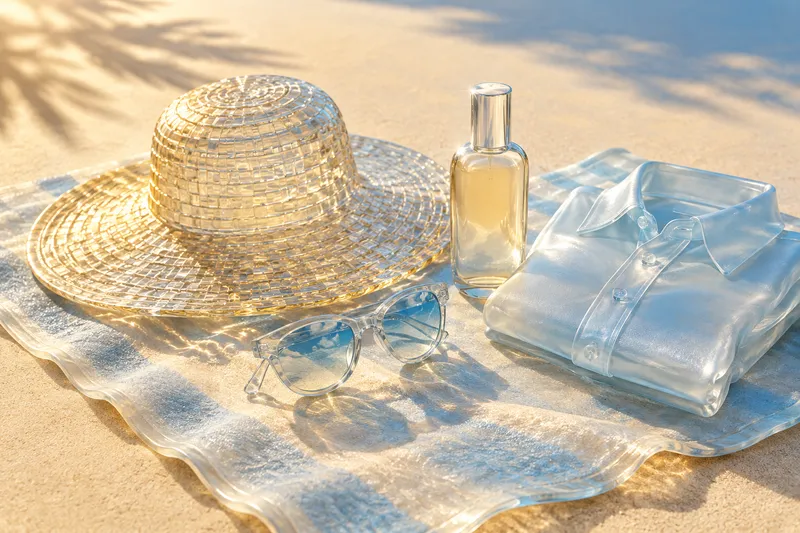
Cancer Council advises using all five forms of sun protection whenever the UV level is 3 or above:
- slip on protective clothing
- slop on SPF50 or SPF50+ sunscreen (broad-spectrum and water-resistant)
- slap on a broad-brimmed hat
- seek shade
- slide on sunglasses.
Cancer Council encourages people to check their local UV level, for example in the SunSmart Global UV app. For families, this year’s theme is a reminder that children tend to copy the sun habits of their parents and carers.
Sources
More in this issue

Weekly explainer · Sunday 1 November 2026
Heat exhaustion and heatstroke: the signs, first aid and who is most at risk
The Bureau of Meteorology's outlook of 29 October says November to January is very likely to be warmer than average across almost all of Australia. This explainer sets out the signs of heat-related illness, the first aid NSW Health and healthdirect advise, who is most at risk and how to get ready before a heatwave.
Australia · Saturday 31 October 2026
TGA proposes stricter SPF testing for sunscreens sold in Australia
On 27 October the Therapeutic Goods Administration published its response to a public consultation on sunscreen regulation, with proposed reforms to how SPF is tested. Its preferred approach is to require testing of each finished sunscreen when it is listed, with checks over the product's life. No dates have been set.
World · Saturday 31 October 2026
Medicine side effects: why and how to report them during MedSafetyWeek
The global #MedSafetyWeek campaign runs from 2 to 8 November 2026, led by the Uppsala Monitoring Centre with the World Health Organization taking part. Its message is that people should report suspected side effects of medicines, even when they are not sure the medicine caused them.
About this news
About this news
Health news on this site is prepared with the help of AI, from official health agencies and peer-reviewed research, following the site’s editorial standards. Dr Azizi chooses which daily news stories are published, but their wording is not individually reviewed by him before they appear. The weekly explainer is chosen and published automatically. Each story links to its sources, and corrections are made on the story’s page and dated.
It is general information, not advice about your own health: for that, see your GP. In an emergency, call Triple Zero (000).