NSW ·
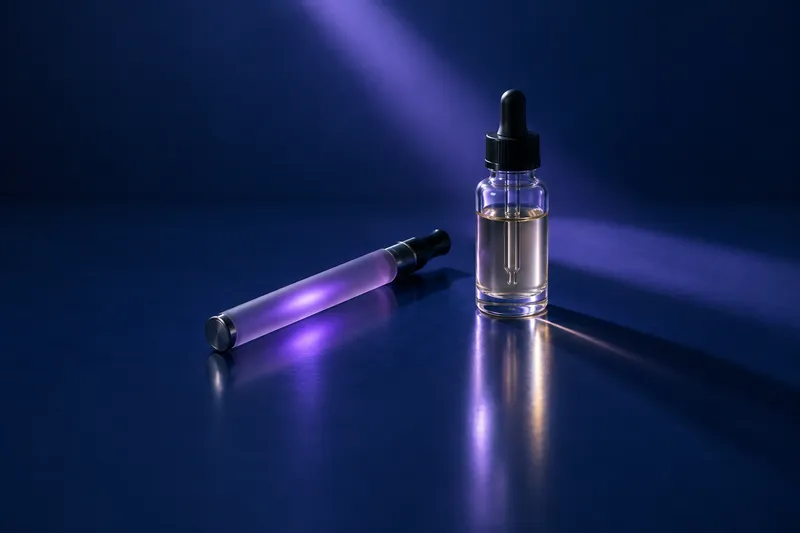
Vapes containing etomidate, a strong sedative, found in NSW after three hospitalised
NSW Health issued a public drug warning on 20 November about vape liquids containing etomidate, a strong, fast-acting sedative not registered for medical use in Australia. Three people lost consciousness and were taken to hospital after using non-nicotine refillable vapes.
What happened
On 20 November NSW Health warned the public that vape liquids containing etomidate are circulating in NSW. The warning came after three people lost consciousness and were taken to hospital after using non-nicotine refillable vapes. Blood and urine tests confirmed etomidate.
Etomidate is a strong sedative that acts very quickly. It is used as a general anaesthetic (a medicine that puts people to sleep for surgery) in other countries, but it is not registered for medical use in Australia.
NSW Health said vapes sold as space pods, space oil, kpods, piu piu vapes or zombie vapes may contain etomidate. They may also contain other drugs, including ketamine, THC (the main active part of cannabis) and strong opioids.
The Medical Director of the NSW Poisons Information Centre said the effects of etomidate in a vape are unpredictable. It can cause confusion, drowsiness, slow breathing, vomiting, jerky movements that are hard to control. People can also become unresponsive. These effects can be life-threatening, especially with other drugs that cause drowsiness, such as alcohol, opioids, benzodiazepines and GHB. Used regularly, etomidate can also upset the hormones made by the adrenal glands, which help the body handle stress.
What this means for you
What is inside a non-nicotine vape can vary, and it is not possible to tell by looking. NSW Health’s advice is to ask what could be in any vape you find or are offered.
People will not get into trouble for seeking medical care after using a vape or other drugs.
Naloxone, a medicine that reverses opioid overdoses, does not reverse etomidate. NSW Health says it is still safe to give. It is recommended whenever someone is unresponsive after using any drug, as vapes may also contain opioids. Naloxone is available without a prescription in NSW; the Your Room take-home naloxone page (opens in a new tab) explains how to get it.
For questions about a drug’s effects, call the NSW Poisons Information Centre on 13 11 26 (24 hours). For confidential support with alcohol or other drugs, call the Alcohol and Drug Information Service on 1800 250 015 (24 hours).
When to get help
Call Triple Zero (000) straight away if someone has unexpected symptoms after using a vape or other drugs, such as being very drowsy, breathing slowly or not responding. People who have used these vapes regularly can talk to a GP about possible longer-term effects on hormones.
Sources
More in this issue
Australia · Monday 23 November 2026
Semaglutide weight management tablet reaches pharmacies as orforglipron is approved
AusDoc reported that a once-daily semaglutide tablet for weight management became available in Australian pharmacies on 20 November 2026. Days earlier, 7NEWS reported that the TGA had approved orforglipron, a second GLP-1 tablet for weight management that is also approved for type 2 diabetes.

World · Monday 23 November 2026
Stopping GLP-1 medicines without other treatment linked to less weight loss, study finds
A Cleveland Clinic study of 20,486 people who had used semaglutide or tirzepatide compared five paths, from staying on the medicine to stopping all treatment. Stopping with no other treatment was linked to the smallest weight loss and the least improvement in blood sugar and blood pressure. The clinic announced it on 14 November 2026.
World · Monday 23 November 2026
Foam rollers probably do not ‘release’ fascia, a research review finds
‘Fascia release’ with foam rollers and massage balls is a popular fitness trend. A review in the journal Sports Medicine found too little evidence that rollers work by releasing fascia, and lists other possible explanations for how rolling eases stiffness and pain.
About this news
About this news
Health news on this site is prepared with the help of AI, from official health agencies and peer-reviewed research, following the site’s editorial standards. Dr Azizi chooses which daily news stories are published, but their wording is not individually reviewed by him before they appear. The weekly explainer is chosen and published automatically. Each story links to its sources, and corrections are made on the story’s page and dated.
It is general information, not advice about your own health: for that, see your GP. In an emergency, call Triple Zero (000).